


We acknowledge the Traditional Owners and Custodians of the lands across which we live and work. We pay our respects to Elders past, present and emerging, and acknowledge Aboriginal and Torres Strait Islander peoples’ continuing connection – both physical and spiritual – to land, sea and sky.
Strengthening palliative and end-of-life care
Through the Greater Choice for At Home Palliative Care Program, we strengthened community awareness, workforce capability and advance care planning to support more coordinated, person-centred palliative and end-of-life care across South Eastern NSW.
We supported community education events and the 10 Things to Know Before You Go workshop series, delivered in partnership with Proveda. Participants gained practical information, increased confidence and a better understanding of available supports.
Highlights include:
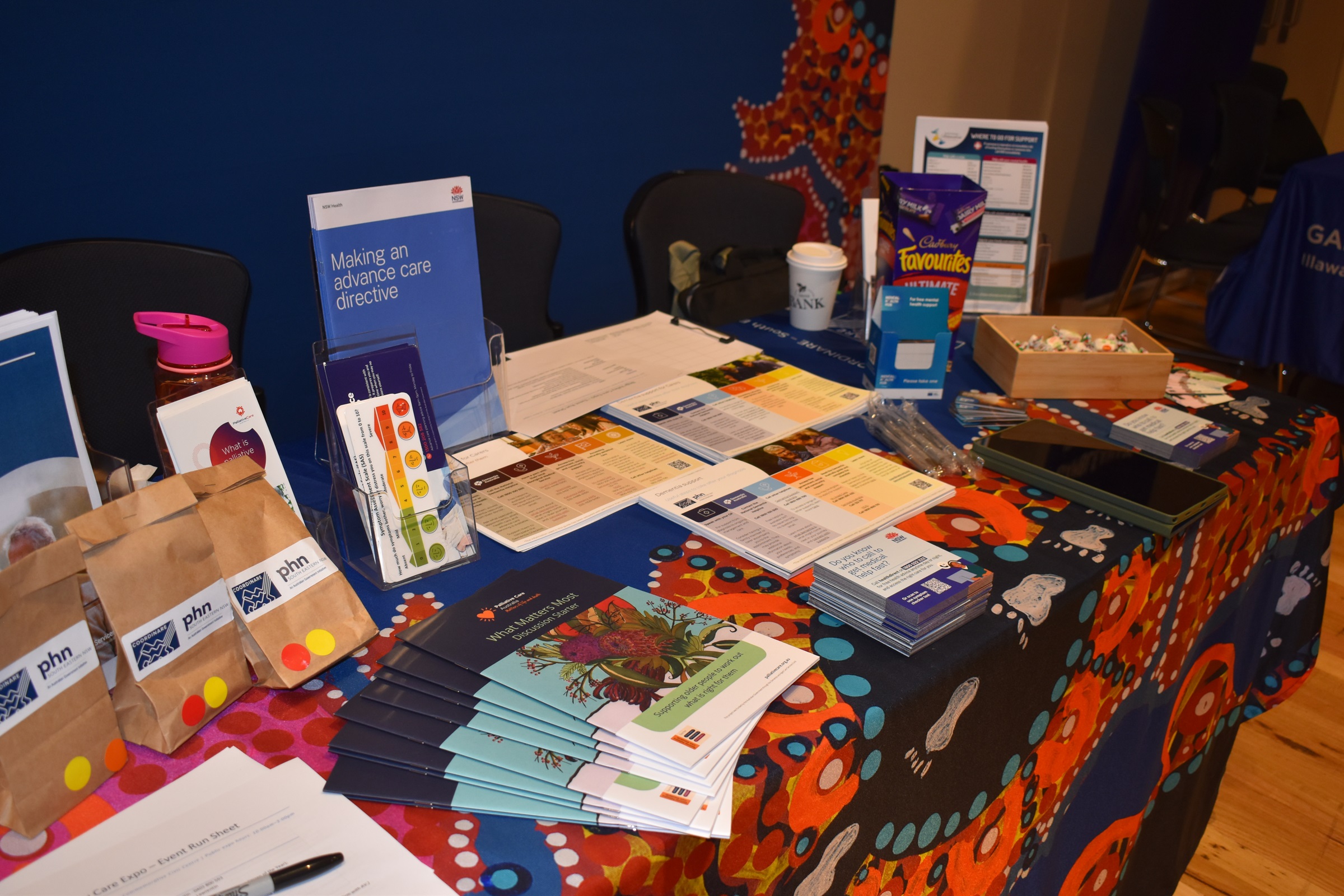
1168
community members reached through education activities.
1590
resource packs, guides and discussion starter tools distributed.
14
workshops across metropolitan, regional and rural communities.
63
%increase in death literacy following community education sessions.
This community impact also increased people’s confidence to:
Improving care in residential aged care
A six-month GP mentoring and education pilot strengthened palliative care capability in residential aged care, supporting earlier identification of end-of-life needs, advance care planning and more coordinated, person-centred care.
We also developed an Advance Care Planning Practice Review and Quality Improvement Program for residential aged care homes.
Highlights include:
Workforce growth and planning
Education, mentoring and accessible digital resources helped primary care, aged care and community-based professionals strengthen their palliative and end-of-life care knowledge.
Highlights include: